Keep Your Dog Thriving
Practical parasite prevention, smart nutrition, and everyday wellness tips from a fellow dog owner who's been through it all.
See What's New on the BlogWhy Parasite Prevention Isn't Optional
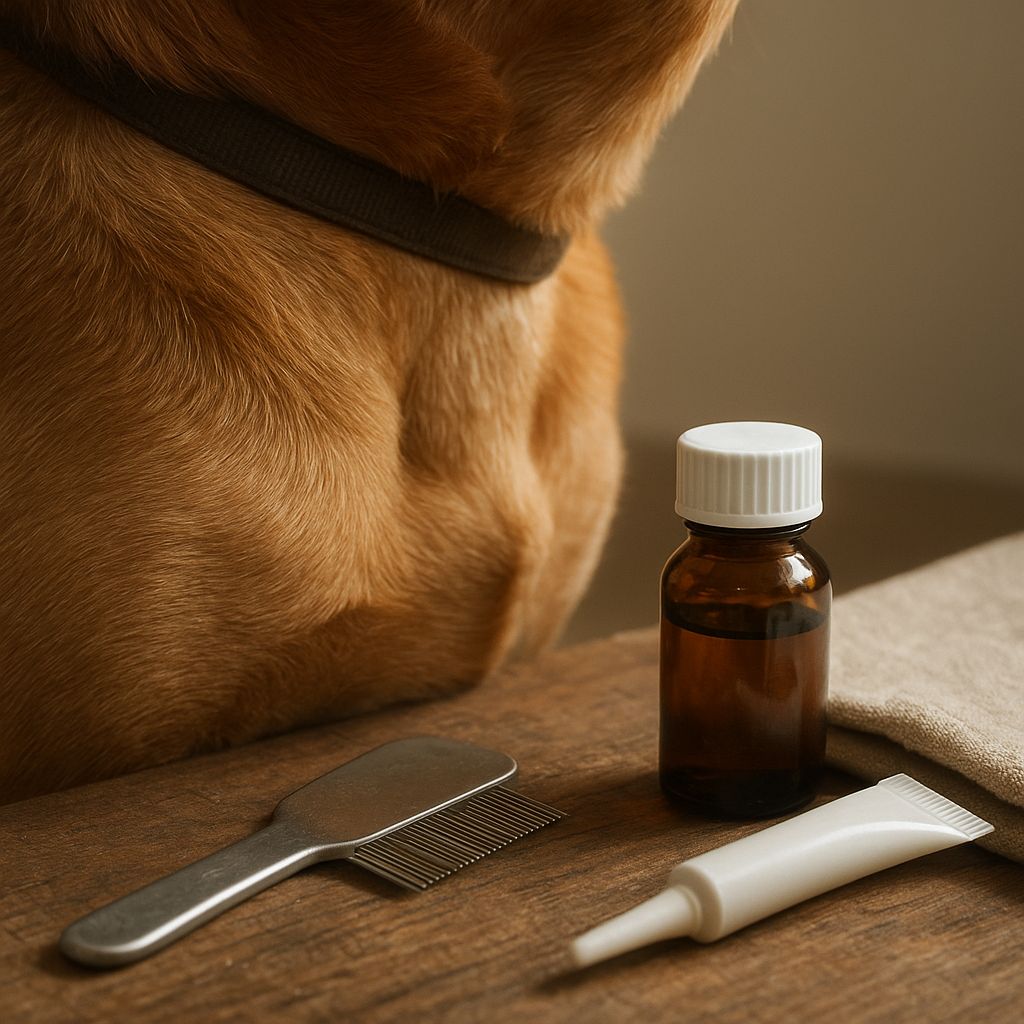
Ticks, fleas, and heartworms aren't just annoying—they carry diseases that can quietly damage your dog's organs, joints, and immune system. Most owners don't realize their dog has a problem until the signs are advanced. A consistent prevention routine costs a fraction of treating a full-blown infestation or infection.
I learned this the hard way with my rescue beagle Willow. She arrived covered in tick bites, scratching constantly, and miserable. Once we got her on a solid prevention plan—collar plus monthly topical—the difference was night and day within weeks. That's the kind of turnaround I want every dog owner to experience.
Tick Collars vs. Topicals vs. Oral Preventives
A side-by-side look at the three most popular parasite prevention methods
✓ = Yes ✗ = No ~ = Depends on brand/situation. Always confirm with your veterinarian.
Dig Into What Matters Most
Pick a topic and find guides, checklists, and real-world advice you can use today.

Feeding for Long-Term Health

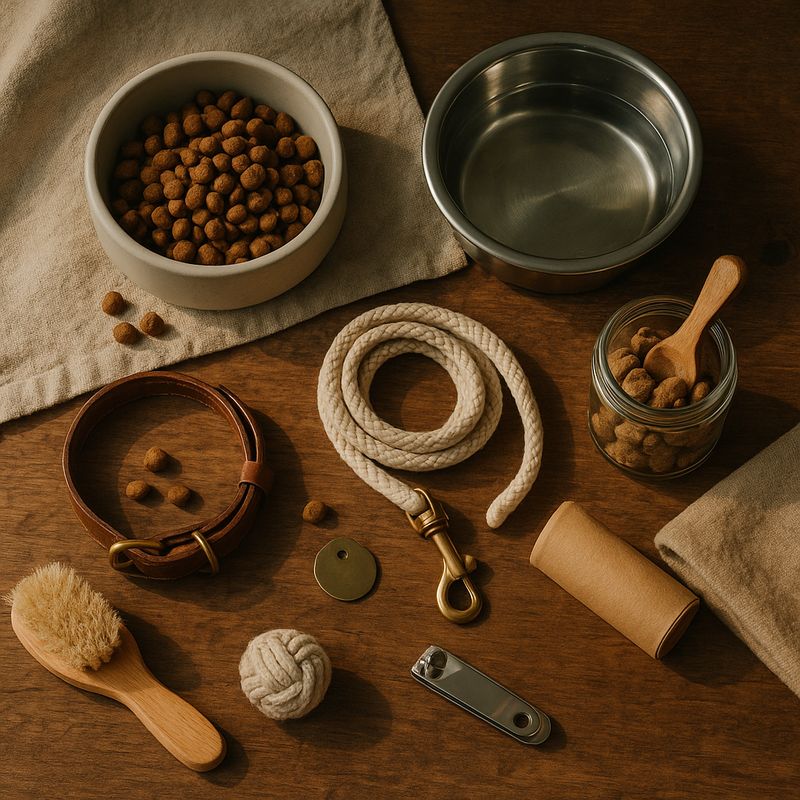
Nutrition is the single biggest lever you have for your dog's overall wellness. A well-fed dog has a stronger immune system, shinier coat, more consistent energy, and fewer digestive problems. But "well-fed" doesn't mean the most expensive bag on the shelf—it means understanding what your individual dog actually needs.
When Willow first came to me, she had food sensitivities that took months to identify. We cycled through limited-ingredient diets, tracked her reactions in a simple notebook, and worked with our vet to rule out allergies. The process taught me that there's no universal "best" dog food—only what's best for your dog right now. I share step-by-step guides to elimination diets, ingredient breakdowns, and how to read pet food labels without needing a chemistry degree.
Whether you're feeding kibble, raw, or a mix, the goal is the same: consistent nutrition that supports your dog's age, size, and activity level. Start with the basics, adjust based on what you observe, and never hesitate to loop in your vet when something feels off.
Common Questions Dog Owners Ask Me
Answers I give at the dog park, on the porch, and in my inbox every week
How often should I check my dog for ticks?
After every outdoor walk or hike, run your hands through your dog's fur—especially around the ears, neck, armpits, and between the toes. During peak tick season (spring through fall), I do a thorough check every evening. It only takes two minutes and it's the fastest way to catch a tick before it transmits anything.
Can I use a tick collar and topical treatment together?
In some cases, yes—but never without asking your vet first. Doubling up on active ingredients without guidance can cause skin irritation or toxicity. Your vet can recommend safe combinations based on your dog's weight, age, and health history. I used a collar-plus-oral combo for Willow during heavy tick months, but only after our vet signed off on the specific products.
My dog keeps scratching but I don't see any fleas—what's going on?
Persistent scratching without visible parasites could be food allergies, environmental allergies (pollen, dust mites), dry skin, or even anxiety. Start by checking for flea dirt—tiny black specks near the skin—using a flea comb. If that's clear, consider whether you've changed food, detergent, or if it's allergy season. If the scratching lasts more than a few days, a vet visit is worth the trip to rule out anything serious.
When should I take my dog to the vet vs. handling things at home?
My rule of thumb: if a symptom is new, worsening, or accompanied by lethargy, loss of appetite, or behavioral changes, call your vet. Minor things like a small scrape or one-time soft stool can usually be monitored at home for 24-48 hours. But anything involving difficulty breathing, sudden swelling, persistent vomiting, or a limp that doesn't improve within a day warrants professional attention. When in doubt, call—most vet offices are happy to do a quick phone triage.
What's the single most important grooming habit?
Regular brushing. It's not just about a pretty coat—it removes loose fur, distributes natural oils, and gives you a chance to feel for lumps, bumps, skin irritation, or parasites. Think of it as a mini health check that happens to make your dog look great. Even five minutes a few times a week makes a real difference.
Grooming as a Wellness Routine
Three angles on turning grooming from a chore into your best early-warning system
Brushing Basics
Brush your dog 2-3 times per week minimum. For double-coated breeds, daily brushing during shedding season prevents mats and lets you spot fleas, ticks, or skin changes early. Use a slicker brush for medium-to-long coats and a bristle brush for short-haired dogs.
Pay attention to how your dog reacts—flinching in a specific area can signal a sore spot, a hidden bump, or irritation you wouldn't have noticed otherwise. Brushing is the cheapest diagnostic tool you own.